People might expect my house to be full of gadgets designed for someone with one arm.
It isn’t.
I have a fancy cutting board kit designed to hold food and make one-handed meal prep easier. I’ve used it once. I cook a lot, particularly now that I have a new kitchen, but I find things easier without it.
That doesn’t mean it’s useless. It just hasn’t proved useful to me.
I also HAD an electric can opener—emphasis on HAD.
I used it once, to open a can of beetroot—a favourite snack of mine. It started attacking the can, sort of dry-humping it, before somehow fusing itself to the thing.
I had to rescue my beetroot the hard way, then bin both the empty can and the can opener.
Not quite the assistance I was looking for.
Most of what helps me get things done is far less specialised. Blu Tack. Tape. Magnets. Quick clamps. My stump makes a good enough tool holder much of the time.
Patience can help, I’m told, but I resort to determination most of the time. Some might call it stubbornness.
Experience gives me somewhere to start
When I look at an unfamiliar job, I size it up. Usually, I’m drawing on something similar I’ve done before. Sometimes I’m figuring out the job itself; sometimes I’m figuring out how to do it one-handed. Often, it’s both.
I grew up on a farm, worked on bikes and cars, and was a mechanic. That gave me plenty of exposure to practical problems begging for a solution. I had experience with tools and an understanding of how things worked before I had to figure out how to do them with one arm.
That background helps. I’m rarely approaching a job with absolutely no idea where to begin. Even though sometimes it looks like I have no idea what I’m doing. That’s just me trying to outsmart the problem.
Often, the question is how to keep something still while my hand does the work. Sometimes I need to change the order of the job. Sometimes I’ll have someone ready to help.
Finding volunteers to hold something while I hit it with a hammer is a challenge. There have been times I’ve had to hold the thing while Bub hits it with the hammer. That arrangement requires a bit of trust.
Usually, it’s a combination of tools, tricks, patience and a fair amount of determination.
The ordinary things that help
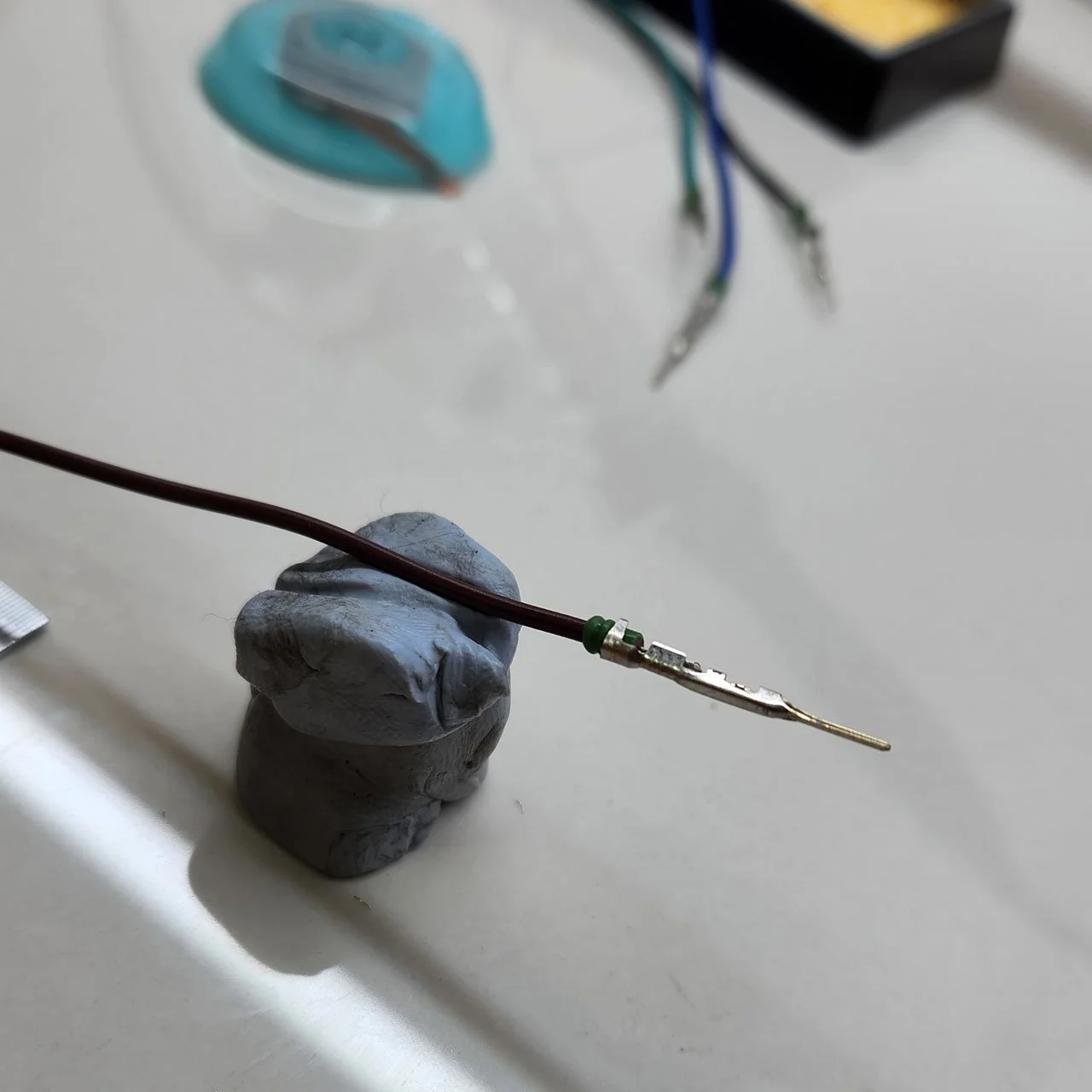
Blu Tack holds wires in position while I solder or crimp connections. Quick clamps hold things up and out of the way when I’m working on a bike.
I can do the valve clearances on my TRX one-handed. A magnet on a stick is handy for keeping track of the shims. Dropping a shim anywhere can ruin a fun night in the shed.
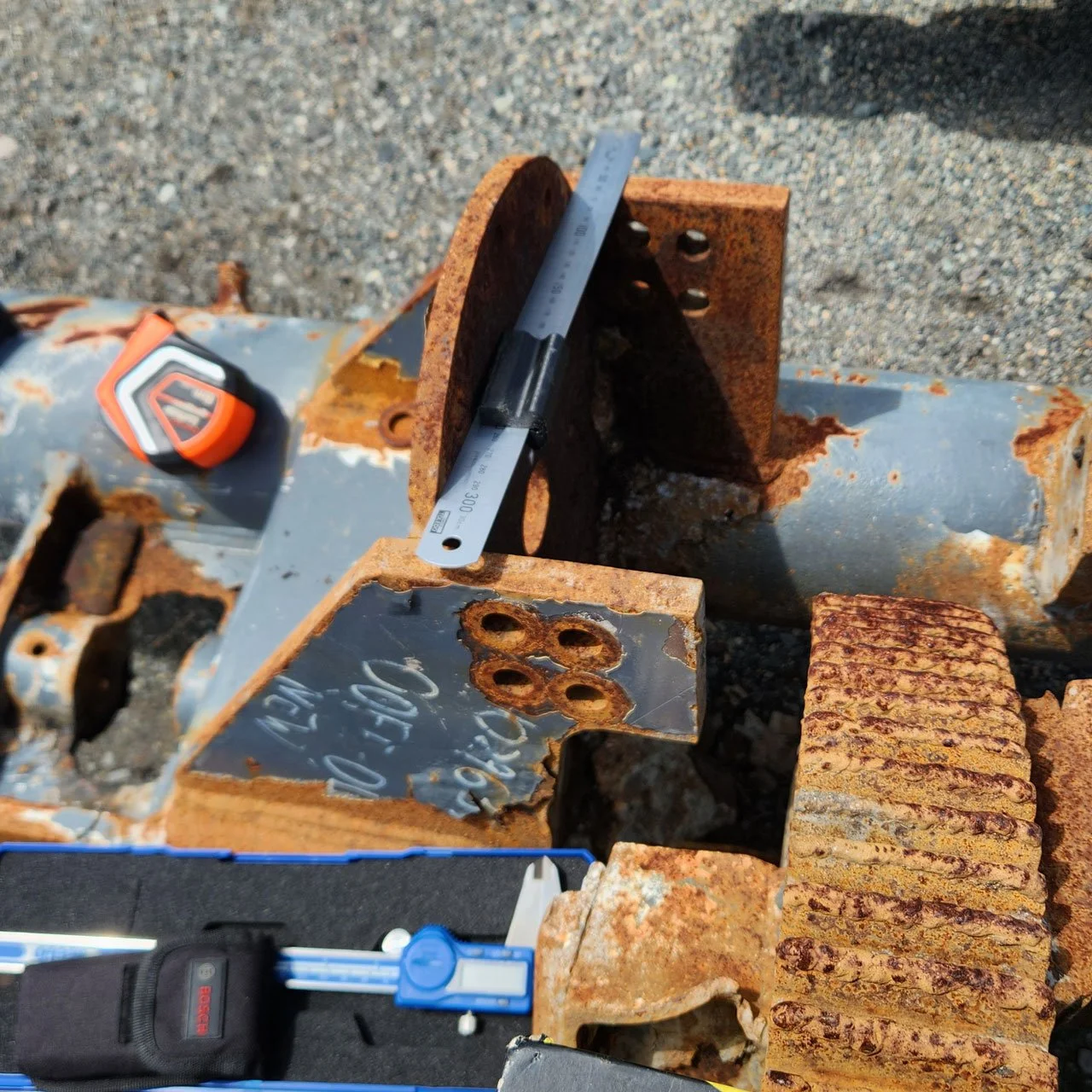
At work, I use magnetic ruler holders I made for measuring on site. I also have old hard-drive magnets that fit onto the end of my tape measure. Those are a huge help.
My Logitech mouse has extra buttons that help with drafting work. It’s ordinary computer equipment, but those buttons are useful when one hand is doing the operating.
The same mouse, along with two sets of three-button foot pedals, helps when playing computer games—though there aren’t enough buttons available to make me good at them.
None of that is particularly glamorous. It’s equipment that helps me get a job done.
I prefer to adapt myself
I have a personal rule: I adapt my technique or use a tool rather than modify my environment around my missing arm.
My house has no modifications specifically for my disability. Showering and getting dressed don’t require special equipment for me. Martial arts has helped improve my balance, which carries over into everyday life.
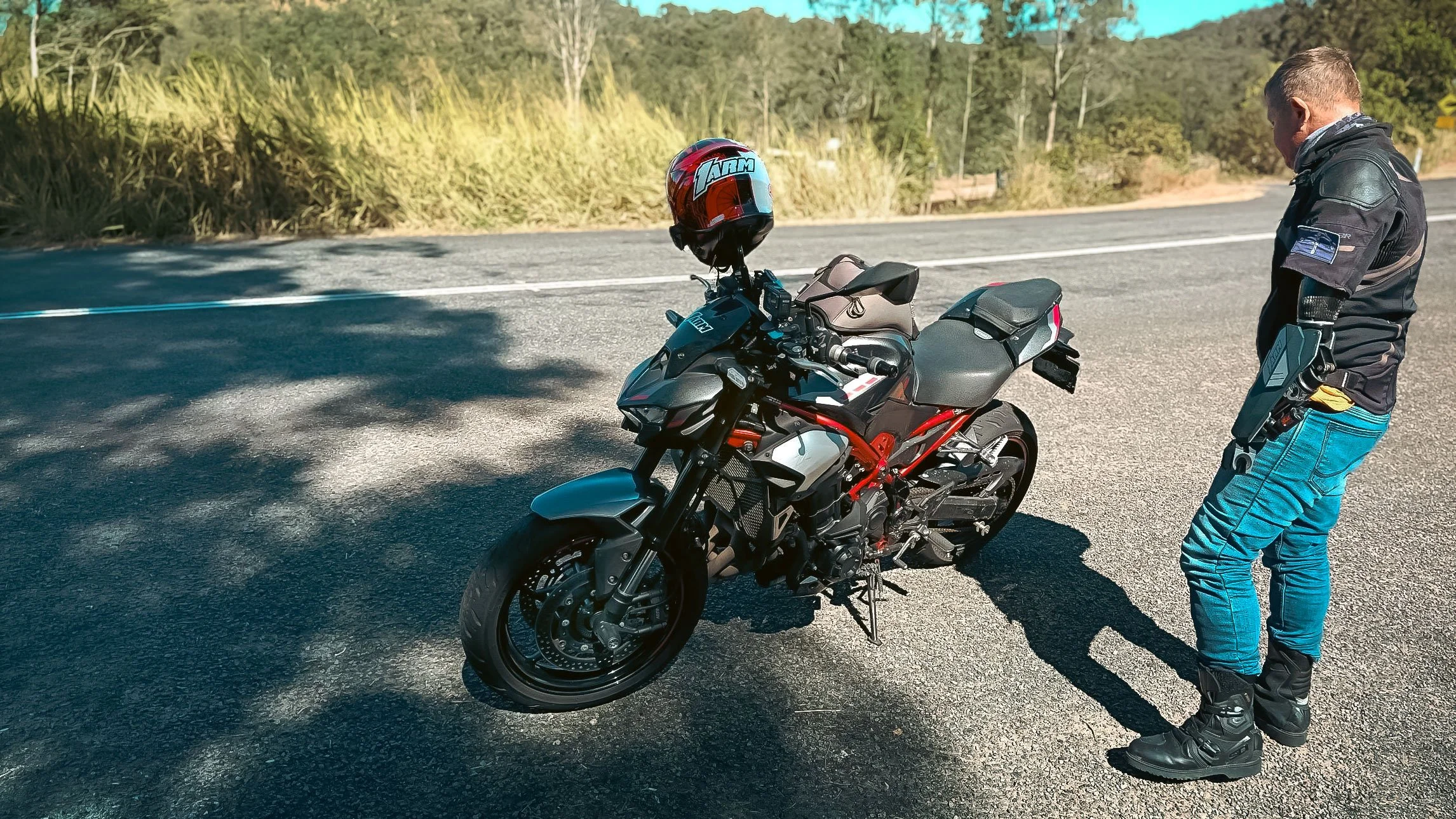
The arm I use to drive a manual car clips on and off, leaving the car usable by another driver. With my motorcycle setups, I’m working towards all my bikes being comfortably rideable by two-armed riders as well.
I like solutions that let me use the thing and leave it usable by someone else.
That’s my personal approach. Other people have different needs, and modifying their home or vehicle may be the right solution for them.
For me, taking responsibility for finding a solution is part of the satisfaction. A problem appears. I do my best to adapt or develop a technique first. If that doesn’t do the job, I might make a thing.
Sometimes the thing is a custom arm. Sometimes it’s a magnet or a ball of Blu Tack.
I still ask for a hand
When I was thinking about this article, I struggled to come up with examples of things I need help with. Lifting was the main one that came to mind.
Then I asked my daughter, because that girl knows all my weaknesses.
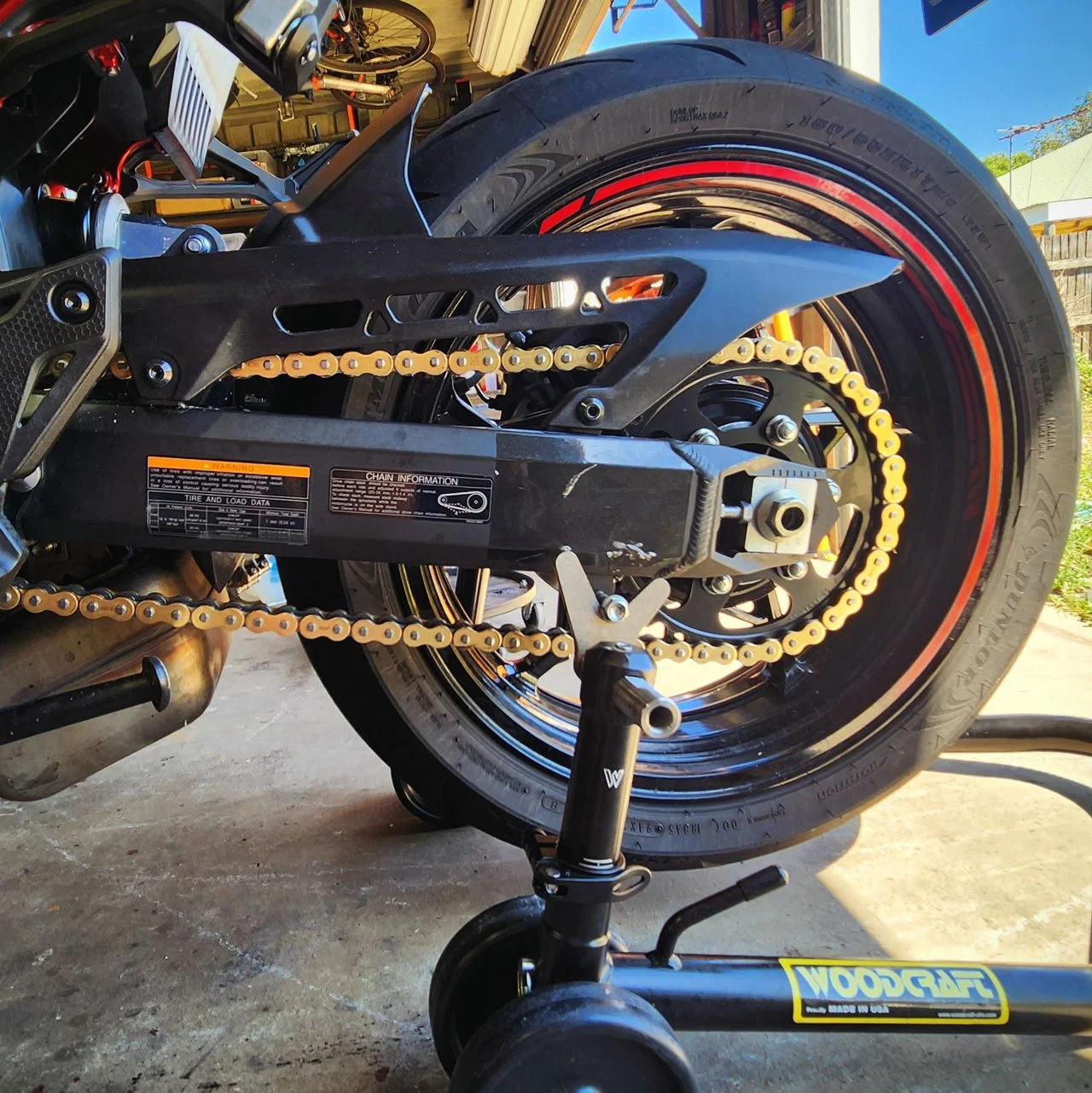
She reminded me that she sometimes helps get my bike on and off the rear paddock stand. I can do it myself, but it’s quicker with her help.
She also helps get the tape off my arm after I donate plasma. There’s a lot of tape wrapped around that arm, and the hand I’d normally use to remove it is attached to the arm underneath it.
If Bub isn’t home, even finding and lifting the end of the tape becomes a job. Good times.
I can work on motorcycle engines. Apparently, the tape still requires backup.
Being able to do something myself doesn’t mean I always need to. Sometimes asking for help is the most practical choice.
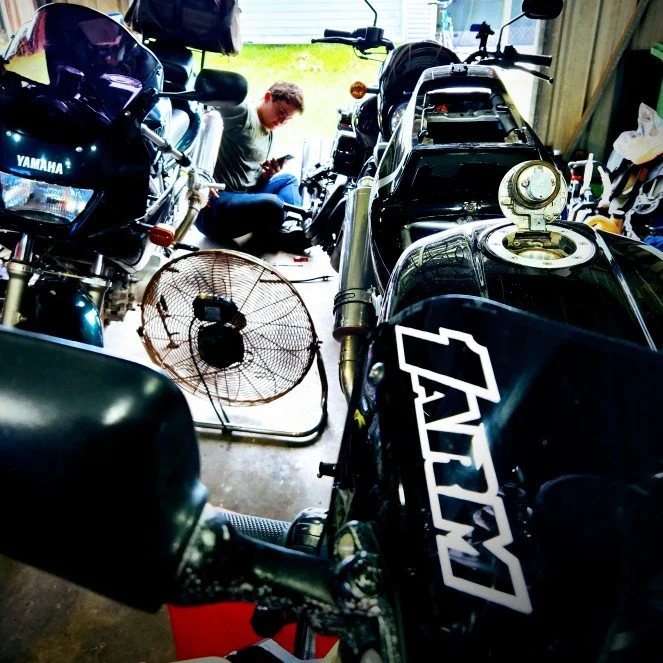
And sometimes having someone there is mostly an excuse to hang out. My mate Caine usually ends up watching while I work on a bike. There’s a chance I might need a hand with something; otherwise, it’s good to just talk about bikes while you turn spanners with a mate.
Not every visit to the shed is a support arrangement.
Getting outside the everyday
I also think it helps to get outside my comfort zone sometimes.
I go motorcycle camping. It refreshes my brain and reminds me I can do things with one arm beyond my normal daily routine. At home, I’ve already figured out how most things work for me. Away camping, there are plenty of tasks that take me outside those familiar routines.
There’s satisfaction in coming home knowing I’ve done it—and usually having figured out something along the way.
Being physically active and doing a broad range of tasks helps me too. Martial arts, cooking, camping, working on bikes, and my work on site as a draftsman each give me different things to practise and problems to solve.
Time in the shed feels like a thousand-times skills multiplier. I spend a fair amount of time in my shed or workshop, fixing, adapting, and figuring things out. What I learn on one job often comes in handy on another.
I enjoy it, and it’s good for my head. I can get absorbed in a practical problem and have something working at the end. Or at least have a better idea of why it still isn’t working.
Finding what works
I rarely give up easily. But determination is most useful when I’m willing to change the approach, try another tool or get someone involved.
After years of doing things one-handed, many of my methods have become second nature. I don’t necessarily notice them as adaptations until someone asks how I do something.
That doesn’t mean there are no difficulties, or that I’ve thought of every situation where I need help. It means I’ve had years to develop ways of doing the things I regularly do.
If you’re figuring out life with one arm, some of my methods might help. Others might be completely wrong for you. That cutting board I barely use might be something you use every day.
My starting point is usually the job itself: what needs doing, what needs holding, and what have I done before that might work here?
Then I try it, adjust it, or ask for a hand.
Quite often, though, the answer is still Blu Tack.